RTV Silicone Adhesive for Electronics Bonding and Sealing
A one-component neutral-cure RTV silicone adhesive for electronics bonding, sealing, and potting. Cures at room temperature with atmospheric moisture to form a flexible, electrically insulating elastomer rated for −50 °C to +250 °C service.
Request a QuoteProduct Detail
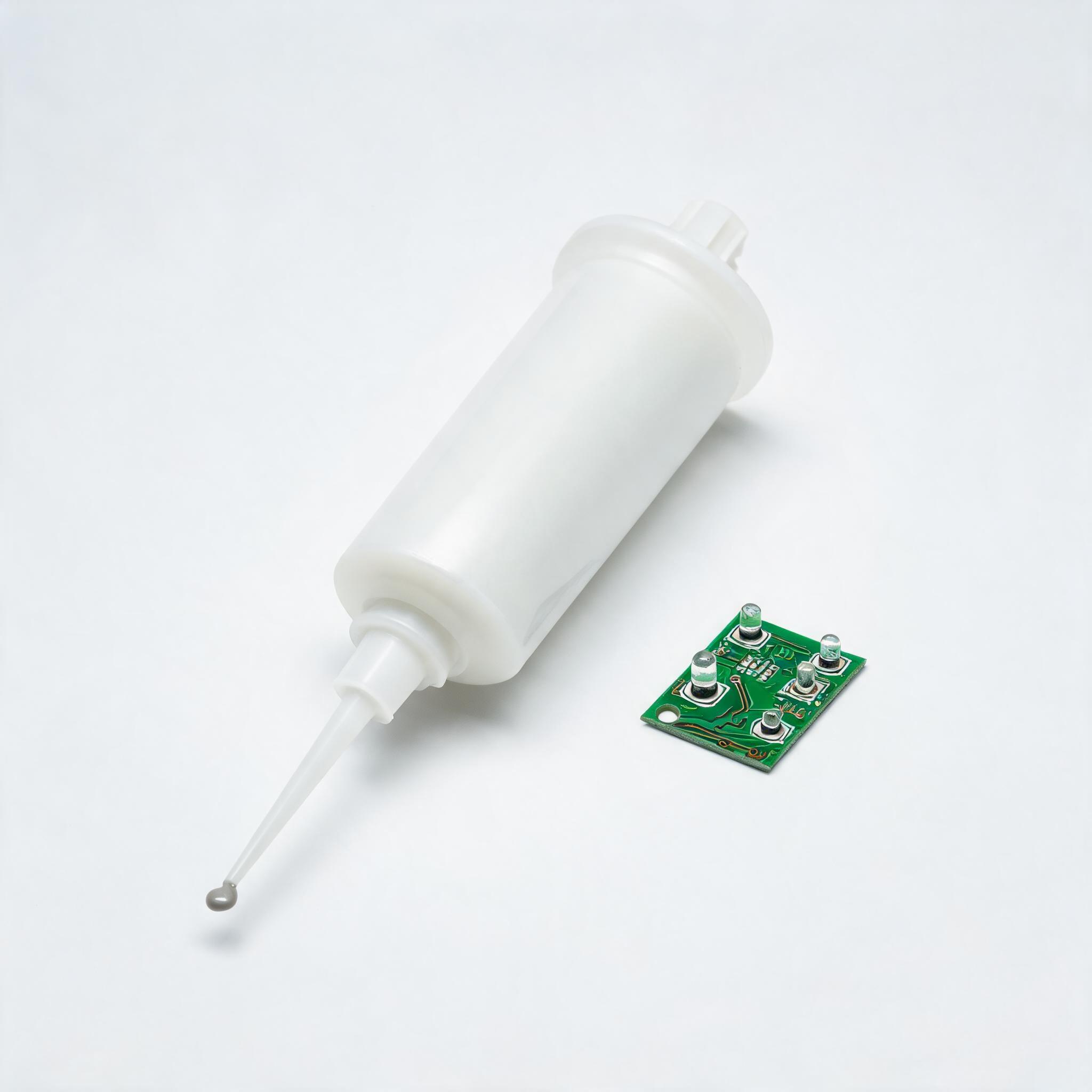
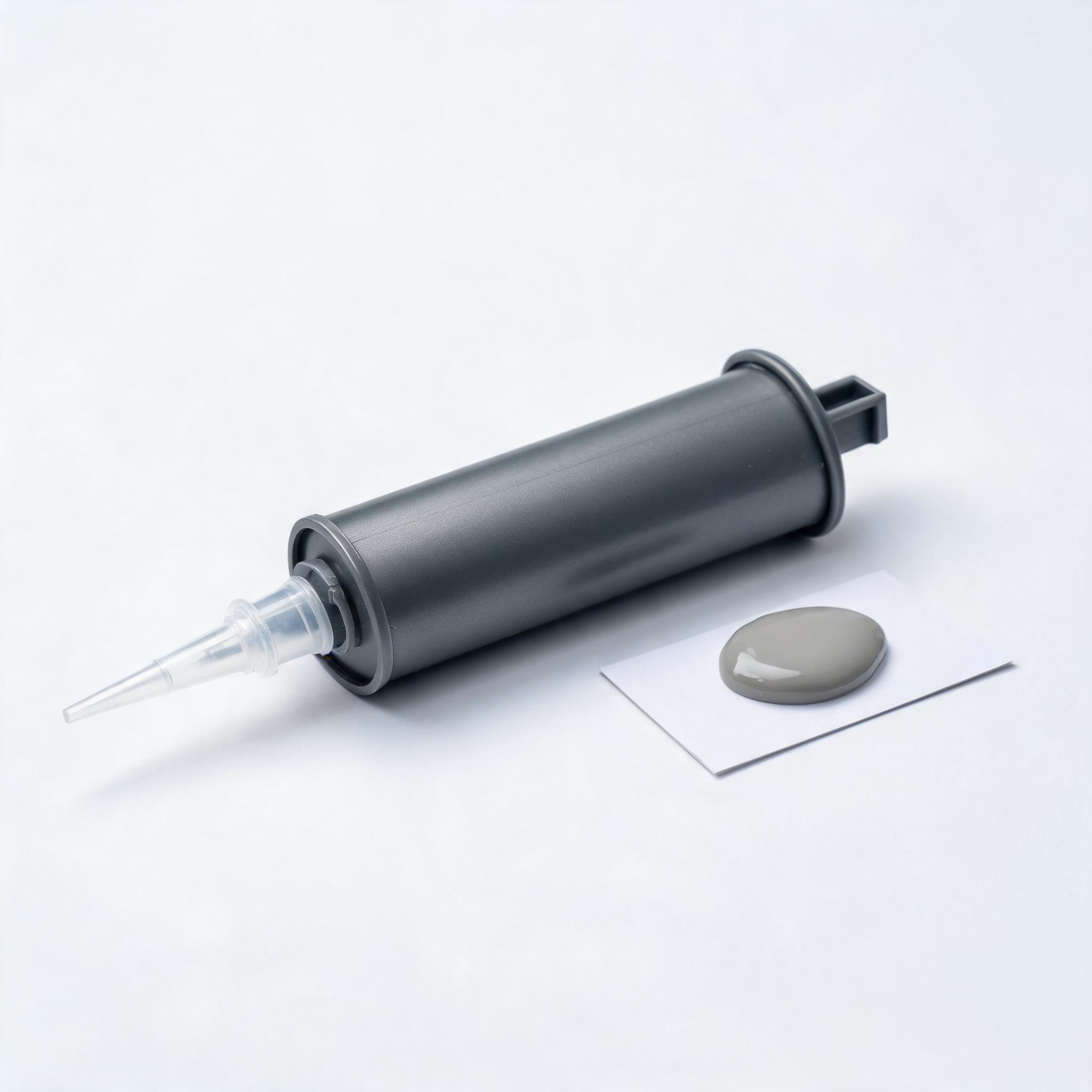
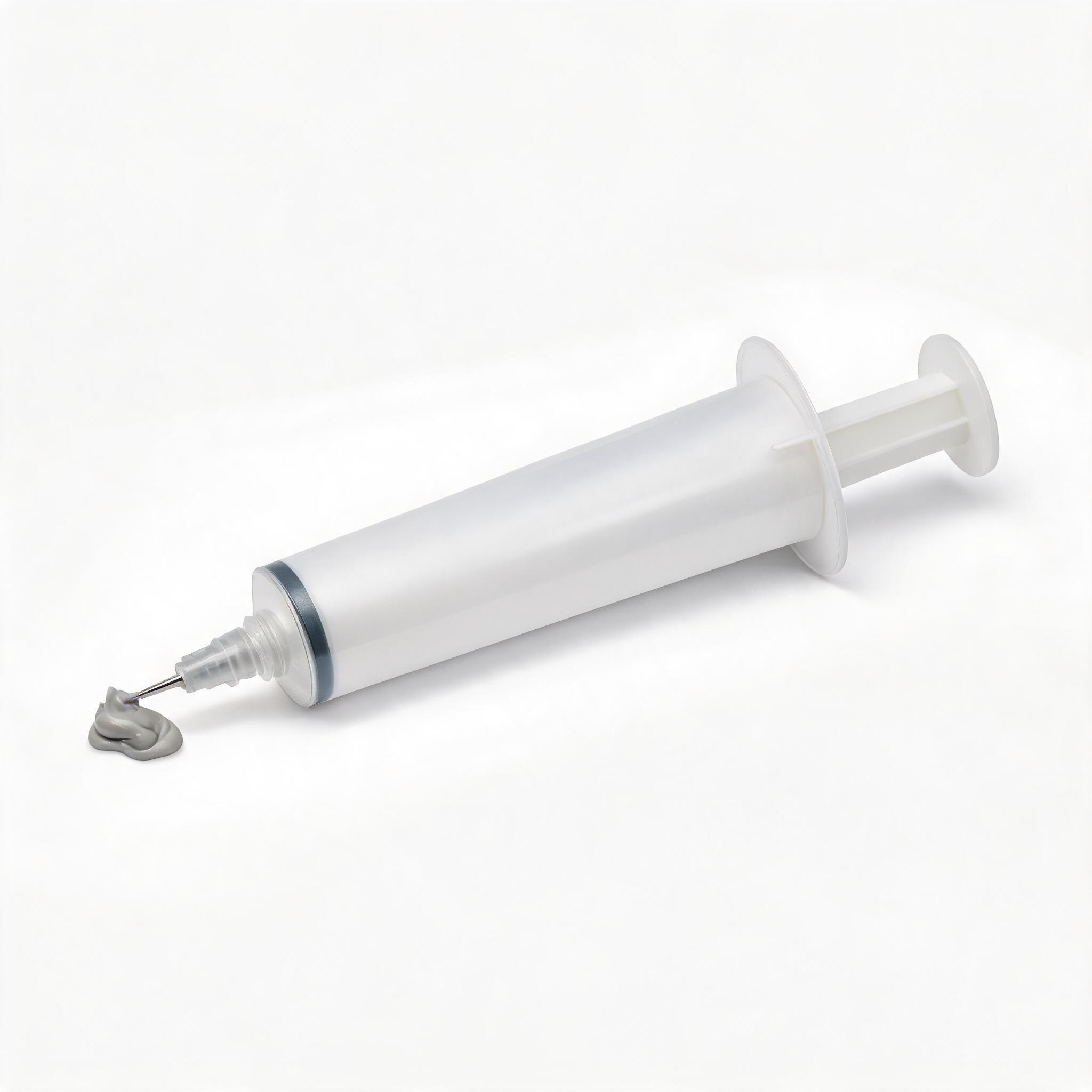
A one-component, room-temperature-vulcanizing (RTV) silicone adhesive that cures on exposure to atmospheric moisture to form a tough, flexible elastomer. Designed for electronics bonding, sealing, and potting where electrical insulation, wide-temperature stability, and non-corrosive cure are required - without the need for heat or mixing equipment.
What This RTV Silicone Adhesive Is Built For
This is a neutral-cure, oxime-grade RTV silicone adhesive. Unlike acetoxy-cure silicones that release acetic acid during cure - which can corrode sensitive electronic components - this product cures by reacting with ambient moisture to produce a neutral byproduct. That makes it suitable for direct contact with metals, plated contacts, PCBs, sensors, and connectors where corrosive outgassing is unacceptable.
The cured elastomer remains permanently flexible across a service temperature range of −50 °C to +250 °C, absorbing thermal expansion mismatch between dissimilar substrates without cracking or losing adhesion. It bonds to metals, glass, ceramics, most plastics, and silicone rubber without a primer, and provides electrical insulation with a dielectric strength rated above 20 kV/mm.
At a Glance
How These Specifications Translate to Assembly Decisions
Neutral Cure: Safe for Electronics
The oxime cure system means no acetic acid is released during vulcanization. This is the critical distinction from hardware-store silicone sealants, which are typically acetoxy-cure and can corrode copper traces, silver-plated contacts, and sensitive semiconductor leads over time. If your application involves direct or proximity contact with energized electronics, neutral cure is the baseline requirement - and this product meets it.
Wide Service Temperature: −50 °C to +250 °C
The cured silicone elastomer retains flexibility and dielectric properties across this range. This matters for assemblies that experience cold-start conditions, thermal cycling in automotive under-hood environments, or sustained high-temperature exposure near heat-generating components. Unlike rigid epoxy adhesives that can crack under differential thermal expansion, this RTV silicone absorbs dimensional mismatch between bonded substrates - a key advantage when bonding metals to plastics or ceramics to PCBs.
Dielectric Strength Above 20 kV/mm
At this insulation level, a 1 mm bond layer provides over 20 kV of electrical isolation. This is relevant for high-voltage electronics, power supply assemblies, and any application where the adhesive also serves as an insulating barrier between conductive parts. Verify your creepage and clearance requirements against the actual bond thickness in your design.
Moisture Cure at Room Temperature - No Equipment Needed
The adhesive cures by reacting with humidity in the air. No ovens, no mixing, no two-part dispensing equipment. Skin-over occurs in 15–30 minutes at standard conditions (23 °C, 50% RH), and cure progresses at approximately 2 mm of depth per 24 hours. This simplifies field repairs, low-volume assembly, and prototyping - while also being compatible with automated dispensing for higher-volume production.
Elongation Above 200% and Shore A 25–35
After cure, the elastomer is soft and highly extensible. This combination allows it to function as both an adhesive and a flexible seal - absorbing vibration, accommodating joint movement, and maintaining a moisture barrier even when substrates shift. For potting and encapsulation applications, the low hardness means minimal mechanical stress on delicate wire bonds and component leads.
Application Areas
Verified Use Cases
- Electronic component bonding and fixing on PCBs
- Connector and cable joint sealing against moisture and dust
- Sensor housing potting and encapsulation
- LED module sealing and protection
- Industrial equipment gasketing and flange sealing
- Bonding silicone rubber keypads and gaskets to housings
Confirm Before Specifying
- Adhesion to specific plastic substrates (PP, PE, PTFE) - request test data
- Long-term UV exposure color stability for outdoor applications
- Immersion or continuous water contact performance
- Paintability with specific topcoat systems
- FDA or food-contact compliance requirements
Cure Schedule and Application Guidance
Cure speed depends on three factors: ambient humidity, temperature, and the depth or volume of the adhesive bead. Higher humidity and warmer temperatures accelerate cure; thick sections cure more slowly because only the exposed surface has access to atmospheric moisture.
- Skin-over: 15–30 minutes at 23 °C / 50% RH - the surface becomes tack-free and no longer flows when touched.
- Depth cure: Approximately 2 mm per 24 hours - for a 6 mm bond, plan for roughly 3 days to reach full depth cure.
- Handling strength: Usually achieved within 24 hours for thin bond lines.
- Full properties: 7 days at standard conditions for complete crosslink development.
For production environments with controlled humidity and temperature, cure times may be shorter. For field application in cold or dry climates, expect longer cure cycles and verify performance before putting the assembly into service.
How This Product Differs from Thermal Conductive Silicone Adhesive
SW ADHESIVE also offers a Thermal Conductive Silicone Adhesive (1.5 W/mK) specifically formulated for bonding heat sinks to electronic components where heat transfer is the primary requirement. This RTV Silicone Adhesive is a general-purpose electronics bonding and sealing grade - it does not contain thermally conductive fillers and is instead optimized for maximum flexibility, electrical insulation, and broad-substrate adhesion. If your application requires both bonding and heat dissipation, consider the thermal grade; for sealing, potting, and structural flexibility without thermal management needs, this product is the appropriate choice.
Company Backing
Manufactured by TIANJIN SHENGWANG ELECTRONIC CHEMICAL PLANT (SW ADHESIVE), a specialist producer of industrial adhesives, sealants, and electronic chemical products based in Tianjin, China. The company holds ISO 9001:2015 certification for quality management and maintains in-house testing capabilities including viscosity meters, tensile strength testers, and environmental chambers for performance validation. Products are formulated to meet RoHS and REACH compliance for global B2B electronics manufacturing.
Buyer FAQ
Neutral-cure silicones release non-corrosive byproducts (such as oxime or alcohol) during cure, making them safe for use on and around electronic components, metals, and sensitive substrates. Acetoxy-cure silicones release acetic acid, which can corrode copper, silver, and other conductive materials. This product uses a neutral oxime cure system specifically for electronics compatibility.
Skin-over occurs in 15–30 minutes at 23 °C and 50% relative humidity. Full depth cure proceeds at approximately 2 mm per 24 hours. A thin bond line (under 2 mm) will typically reach handling strength within 24 hours; full crosslink development requires about 7 days at standard conditions. Actual cure time depends on humidity, temperature, and bead thickness.
No. This is an electrically insulating silicone with a dielectric strength above 20 kV/mm. It acts as both a bonding agent and an electrical isolation barrier between conductive parts.
The adhesive bonds to most metals, glass, ceramics, cured silicone rubber, and many rigid plastics without a primer. For low-surface-energy plastics such as polypropylene (PP), polyethylene (PE), or PTFE, request adhesion test data or consider a primer - these substrates typically require surface treatment for reliable bonding.
Yes. The low Shore A hardness (25–35) and high elongation make it suitable for potting delicate electronic assemblies where rigid encapsulants would transmit mechanical stress to wire bonds and component leads. For deep-section potting (above 10 mm), note that moisture cure proceeds from the surface inward - plan cure time accordingly or discuss section thickness with our technical team.
Standard colors are white, black, and translucent. Custom color matching can be discussed for volume orders - please provide your color reference or Pantone code in your inquiry.
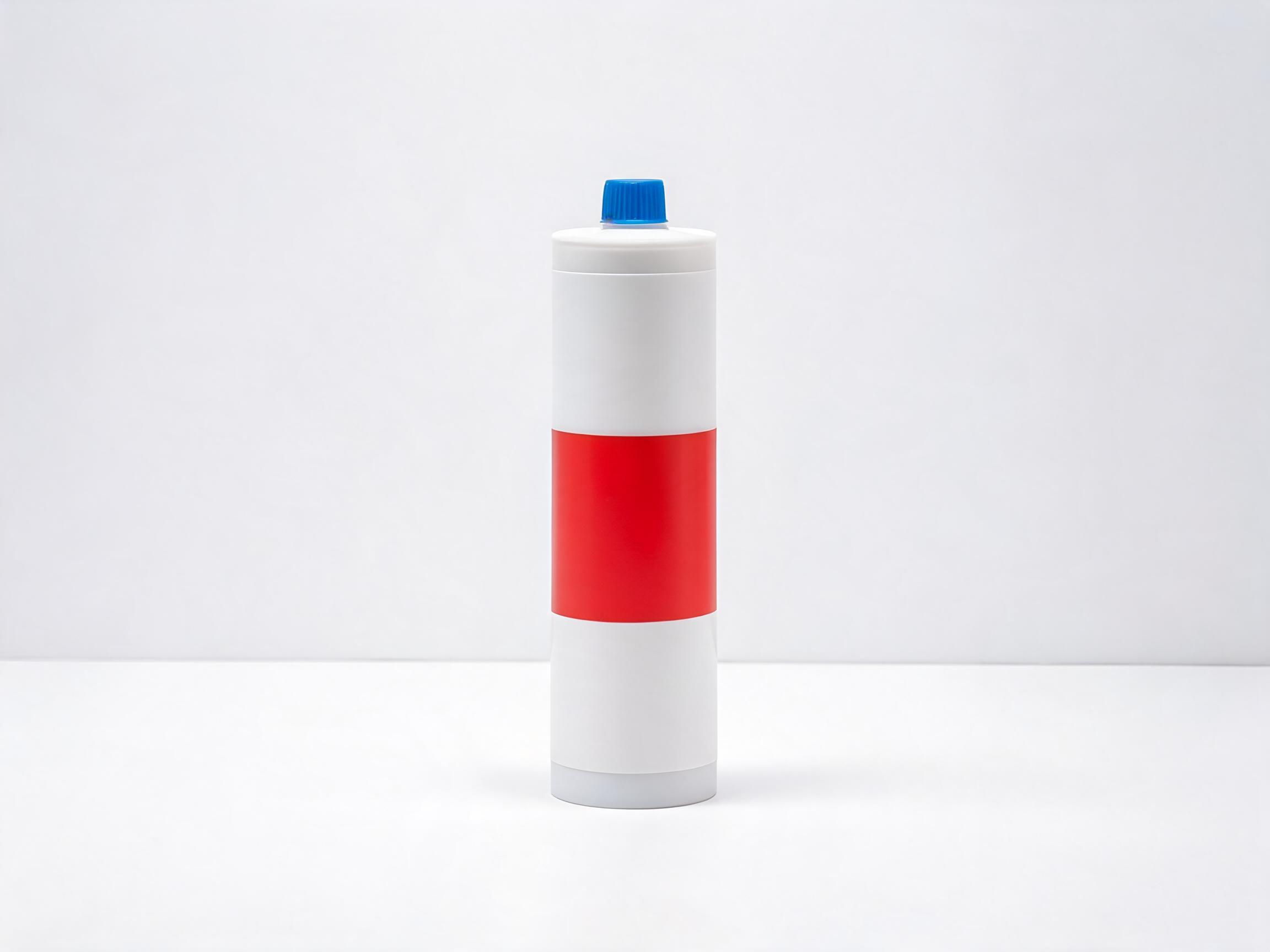
Packaging options include standard cartridges (300 mL), squeeze tubes, and bulk pails. MOQ and lead time depend on the quantity, color, and packaging format required. Please submit your volume and packaging preference through the inquiry form for a detailed quotation.
The product is formulated to meet RoHS and REACH requirements. Compliance documentation, material declarations, and test reports can be provided upon request - specify which documents your procurement process requires.
Request a Quotation
To receive an accurate quote and lead time, include your required color, packaging format, estimated annual quantity, target substrates, and destination country. If you need specific compliance documents or adhesion test data for your substrates, mention it so we can confirm compatibility before quoting.
Submit Your Inquiry