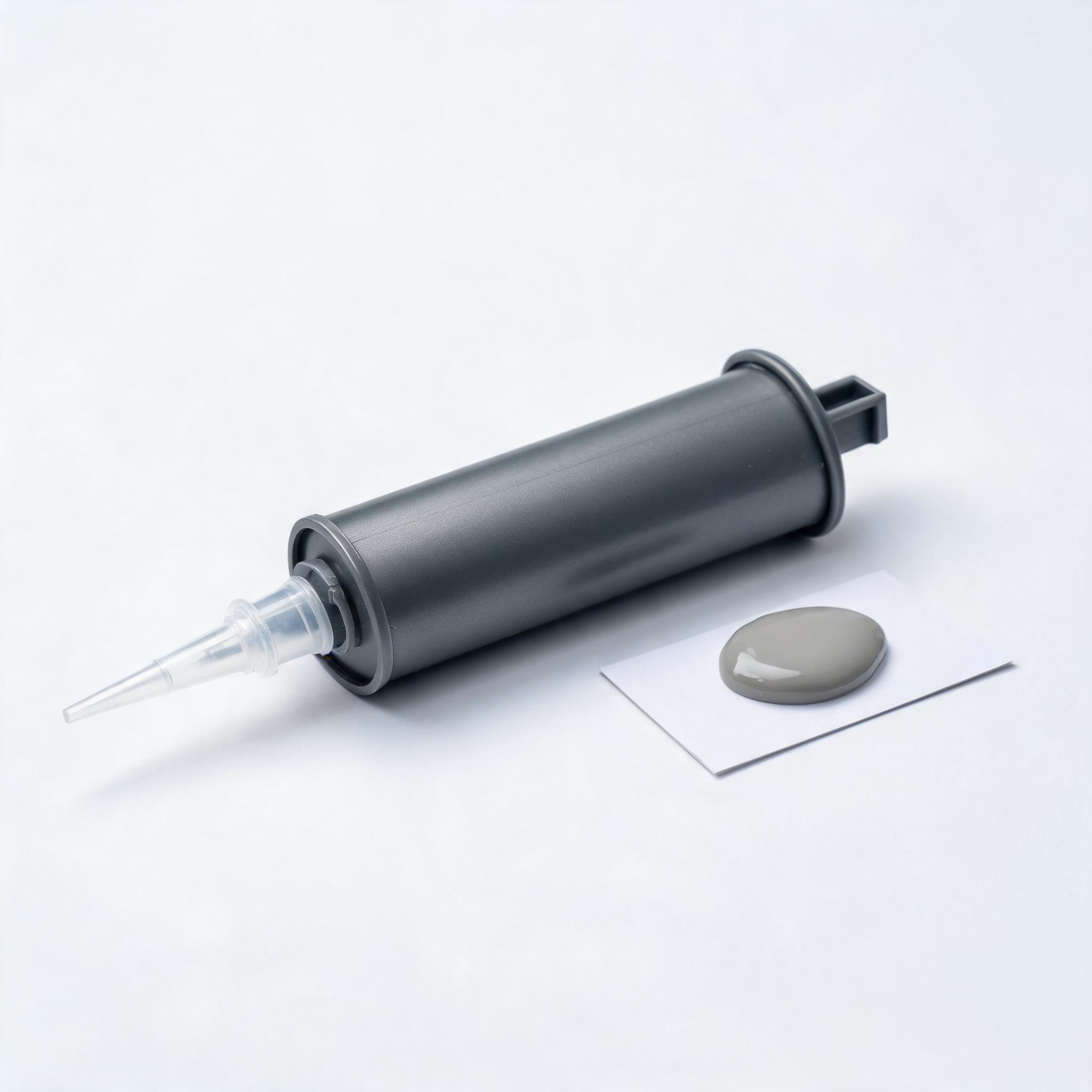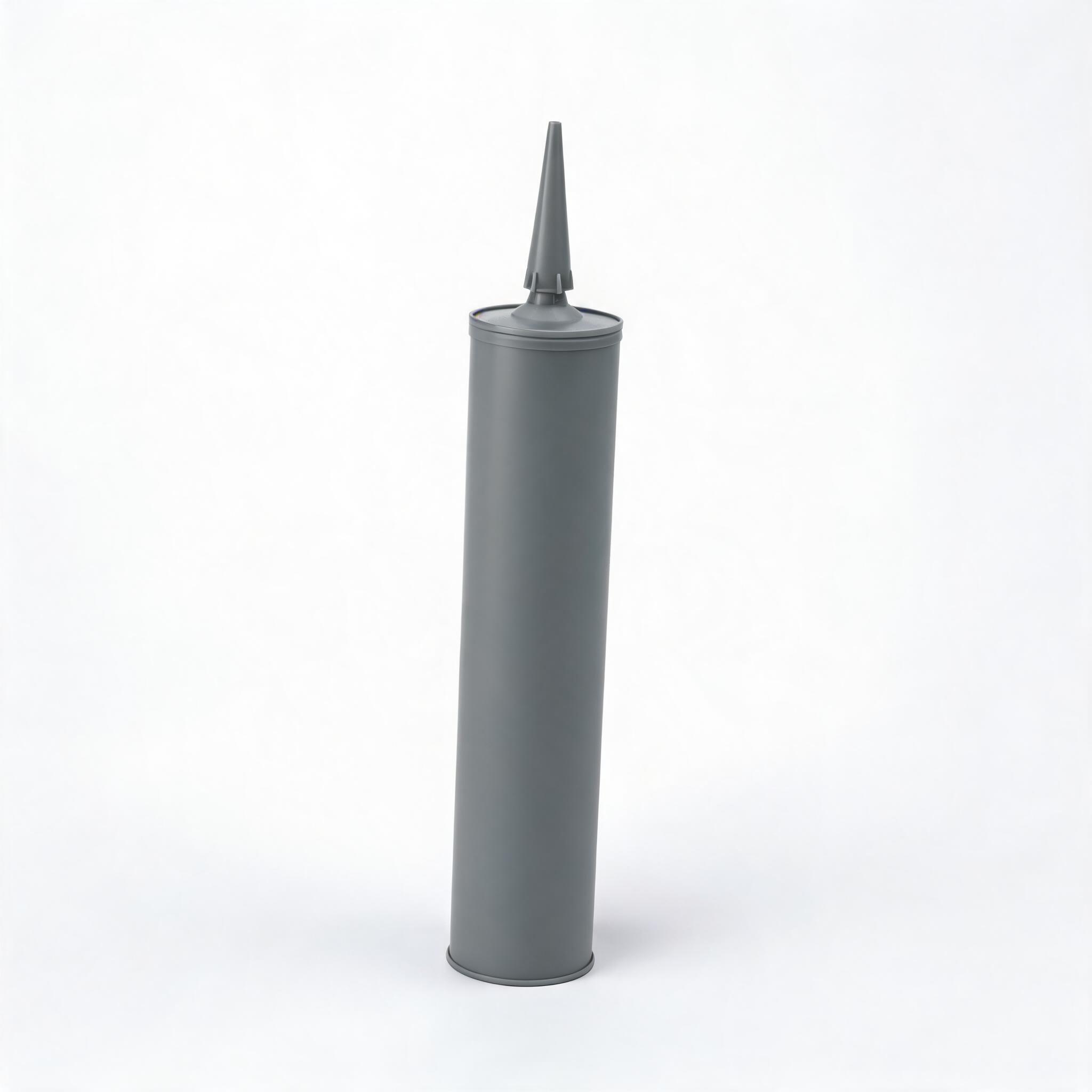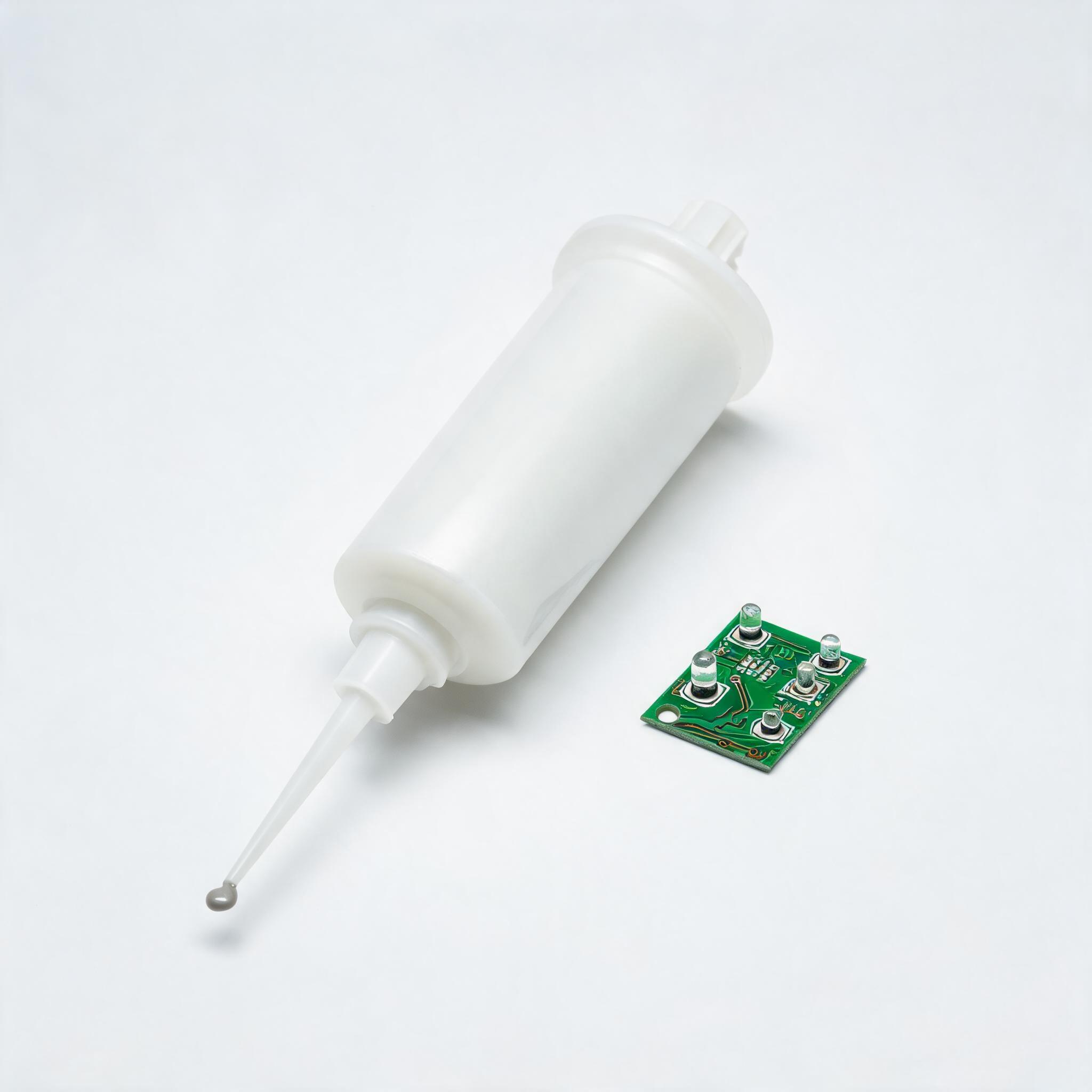
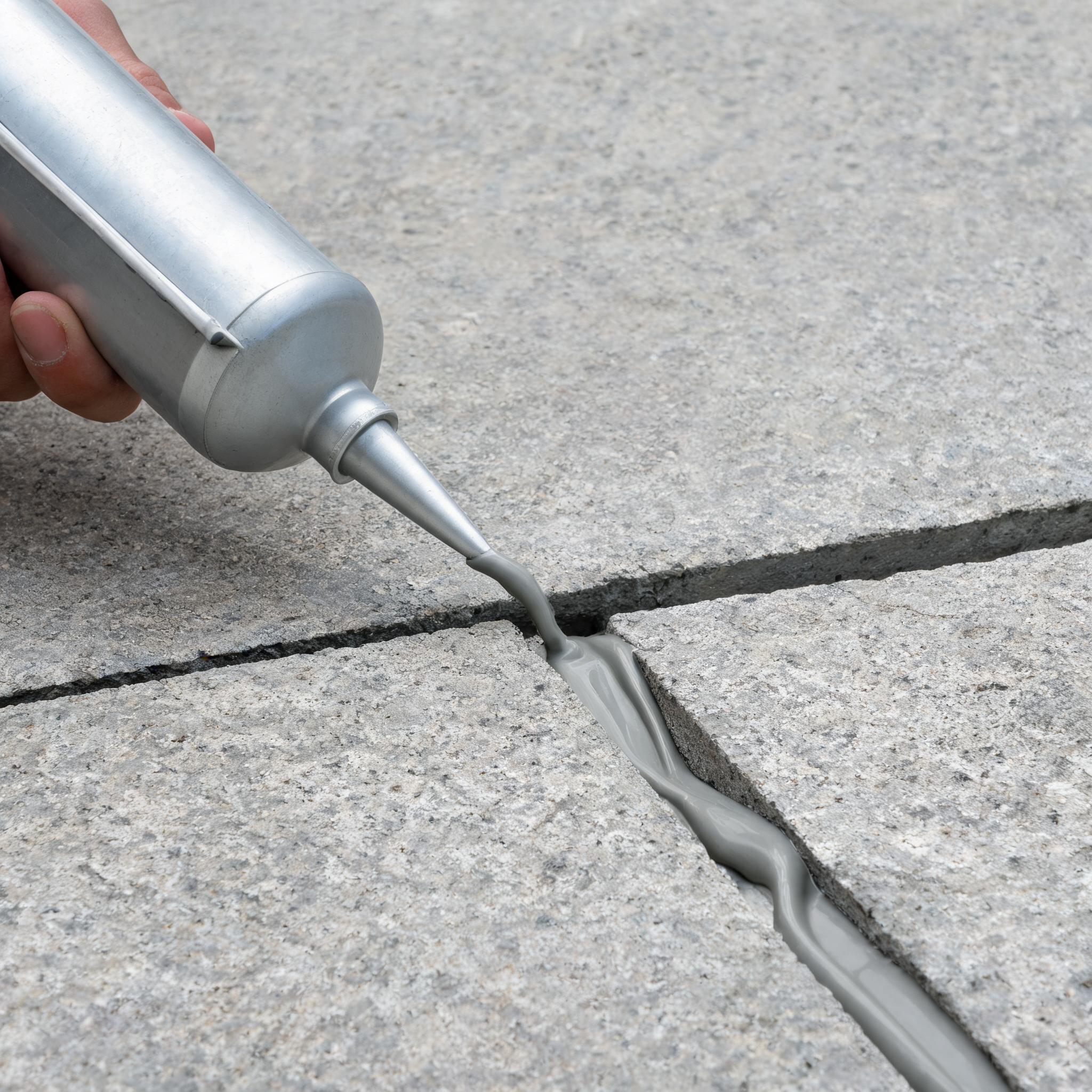
Moisture Curing Polyurethane Sealant for Industrial Waterproofing
A single-component moisture curing polyurethane sealant for industrial waterproofing, concrete joint sealing, and protective applications. Cures by ambient humidity to form a flexible elastomer with 200%+ elongation and ±20% movement capability. No mixing required.
Request a QuoteProduct Detail
A single-component moisture curing polyurethane sealant engineered for industrial waterproofing, concrete joint sealing, and protective coating applications. Cures by reaction with ambient humidity to form a durable, flexible elastomer - no mixing, no heat, no specialized dispensing equipment required.
What Is a Moisture Curing Polyurethane Sealant?
Moisture curing polyurethane sealant is a one-part elastomeric compound that crosslinks upon exposure to atmospheric moisture. Unlike two-component systems that require metered mixing and pot-life management, this sealant is ready to apply directly from standard cartridges or bulk containers. As humidity penetrates the applied bead, the polyurethane prepolymer reacts with water molecules to form urea linkages, building a high-molecular-weight elastomer that combines tensile strength with elongation capability.
This cure mechanism makes the product practical for field applications where mixing equipment is unavailable or impractical - construction sites, marine maintenance, roof repairs, and infrastructure joint sealing. The cure rate depends on ambient humidity and temperature: higher humidity accelerates crosslinking; cold, dry conditions extend working time.
Key Specifications
How Moisture Curing Works - and Why It Matters for Your Project
The Crosslinking Mechanism
When the sealant is extruded onto a substrate, ambient moisture begins diffusing into the polyurethane prepolymer. Each water molecule reacts with terminal isocyanate groups, generating CO₂ and forming urea bonds that build molecular weight. The surface skins over within 2–4 hours at standard conditions (23°C, 50% RH), locking the sealant in place. Beneath the skin, cure progresses at approximately 2 mm of depth per week - meaning a 10 mm joint reaches full mechanical performance in roughly 5 weeks under typical conditions.
Why This Matters for Procurement Decisions
- No mixing waste: Single-component packaging eliminates the pot-life constraints and off-ratio mixing failures common with two-part sealants. Material left in the cartridge remains usable for the next application within the product's shelf life.
- Field-ready application: No meter-mix dispensers or power tools required. Standard caulking guns and bulk dispensing equipment are sufficient - reducing equipment investment and training overhead.
- Humidity-driven schedule: In tropical or coastal climates where ambient humidity is consistently high, cure accelerates naturally. In arid environments, schedule planning must account for slower cure - or supplemental humidification may be needed.
- Flexible cured state: The cured elastomer accommodates ±20% joint movement and elongation above 200%, absorbing thermal cycling, structural settlement, and substrate movement without adhesion loss or cohesive fracture.
Application Areas and Suitability
Verified Application Areas
- Concrete expansion and construction joint sealing
- Facade and curtain wall perimeter joints
- Roof and terrace waterproofing membranes
- Industrial floor joint filling
- Bridge and infrastructure expansion joints
- Metal panel and cladding joint sealing
- Equipment base sealing against water ingress
Confirm Before Specifying
- Continuous immersion conditions (ponding water) - long-term submersion performance should be verified
- Traffic-rated horizontal joints - confirm wear resistance requirements
- Adhesion to plastics, EPDM, or coated substrates - request substrate-specific adhesion testing
- Paintability with specific topcoat systems - compatibility testing recommended
- UV exposure color stability requirements for aesthetic-critical applications
- Potable water contact certification - confirm if required for your application
Cure Schedule and Installation Guidance
| Installation Factor | Guidance |
|---|---|
| Substrate preparation | Clean, dry, dust-free surface; no primer required for concrete, glass, or metal |
| Joint design | Design joint width within ±20% movement capability; use backer rod for depth control |
| Application temperature | Ambient; confirm acceptable range for your climate conditions |
| Tooling window | Tool before skin forms (within 2–4 hours of application at 23°C) |
| Full cure estimate | ~5 weeks for 10 mm depth at 2 mm/week; verify for project-specific geometry |
| Humidity influence | Higher RH accelerates cure; dry conditions slow crosslinking rate |
How This Sealant Compares to Alternatives
| Property | Moisture Curing PU Sealant | Two-Part PU Sealant | Silicone Sealant |
|---|---|---|---|
| Mixing required | No | Yes - metered ratio | No |
| Cure mechanism | Humidity-driven | Chemical crosslink | Humidity-driven |
| Movement capability | ±20% | ±25% (typical) | ±50% (typical) |
| Paintability | Yes - most coatings | Yes | No - most paints peel |
| UV resistance | Moderate | Moderate | Excellent |
| Adhesion to concrete | Excellent - primerless | Good | Fair - primer often needed |
| Equipment needs | Minimal - caulking gun | Meter-mix dispenser | Minimal |
Buyer FAQ
A moisture curing sealant is a single-component product that crosslinks by reacting with ambient humidity - no mixing required. Two-component systems require a separate curing agent mixed at a specific ratio, which demands meter-mix dispensing equipment and has a limited pot life. The trade-off: two-part systems can achieve deeper-section cure in less time because crosslinking is not limited by moisture diffusion rate.
Skin formation occurs in 2–4 hours at 23°C with 50% relative humidity. Full cure proceeds at approximately 2 mm depth per week. A standard 10 mm-deep joint will need roughly 5 weeks to reach full mechanical performance. Actual cure time depends on ambient humidity, temperature, and joint geometry.
Yes. The cured elastomer forms a water-resistant barrier with elongation above 200% and adhesion to concrete, metal, and glass without primer. It is suitable for roof joints, terrace waterproofing, and facade sealing where water ingress prevention is the primary function. For continuous immersion or ponding water conditions, please confirm specific performance requirements in your inquiry.
No primer is required for adhesion to concrete, glass, and metal substrates per the product specification. For plastics, EPDM, coated surfaces, or other specialty substrates, request adhesion test data before specifying to ensure long-term bond performance.
The product is specified as compliant with EN 14189 (European sealant standard for facade elements) and ASTM C920 (Standard Specification for Elastomeric Joint Sealants). The manufacturer holds ISO 9001:2015 certification for quality management. Specific compliance documentation and test reports are available upon request.
Polyurethane sealants are generally paintable with most water-based and solvent-based coatings once fully cured, unlike silicone sealants where paint adhesion is typically poor. Confirm compatibility with your specific topcoat system through testing, as some high-acrylic or flexible paints may require a primer coat.
Packaging options and minimum order quantities are available upon request. Standard formats include 300 ml cartridges, 600 ml sausages, and bulk containers. Please share your project volume and preferred packaging format for a tailored quotation.
Yes. Product-specific documentation including TDS, SDS, and compliance certificates can be provided. Please indicate your application details and any documentation requirements for your procurement process when submitting your inquiry.
Manufacturer Profile
Manufactured by TIANJIN SHENGWANG ELECTRONIC CHEMICAL PLANT (SW ADHESIVE), an industrial adhesives and electronic chemical products manufacturer based in Tianjin, China, operating since 1993. The company holds ISO 9001:2015 certification for quality management and maintains in-house testing capabilities including viscosity meters, tensile strength testers, and environmental chambers for performance validation. Production supports export packaging in IBC containers, drums, and custom formats for global B2B orders under FOB, EXW, and CIF terms.
Request a Technical Data Sheet & Quotation
Tell us your joint dimensions, substrate types, estimated project volume, delivery destination, and any specific standards you need to meet - we'll respond with product documentation, a tailored quotation, and lead time.
Request Product Details & Pricing