One Component Polyurethane Sealant for Industrial Sealing
A one-component, moisture-curing polyurethane sealant for industrial equipment sealing, concrete joints, metal panel connections, and infrastructure expansion joints. Cures at room temperature with no mixing required. ±20% movement capability, 200%+ elongation, primerless adhesion to concrete, metal, and glass. EN 14189 and ASTM C920 compliant.
Request a QuoteProduct Detail
A single-component polyurethane sealant that cures with atmospheric moisture to form a durable, flexible elastomer - no mixing, no metering equipment, no pot-life waste. Designed for industrial sealing applications where field-ready application, primerless adhesion, and long-term joint flexibility are required across concrete, metal, and composite substrates.
What Is a One Component Polyurethane Sealant?
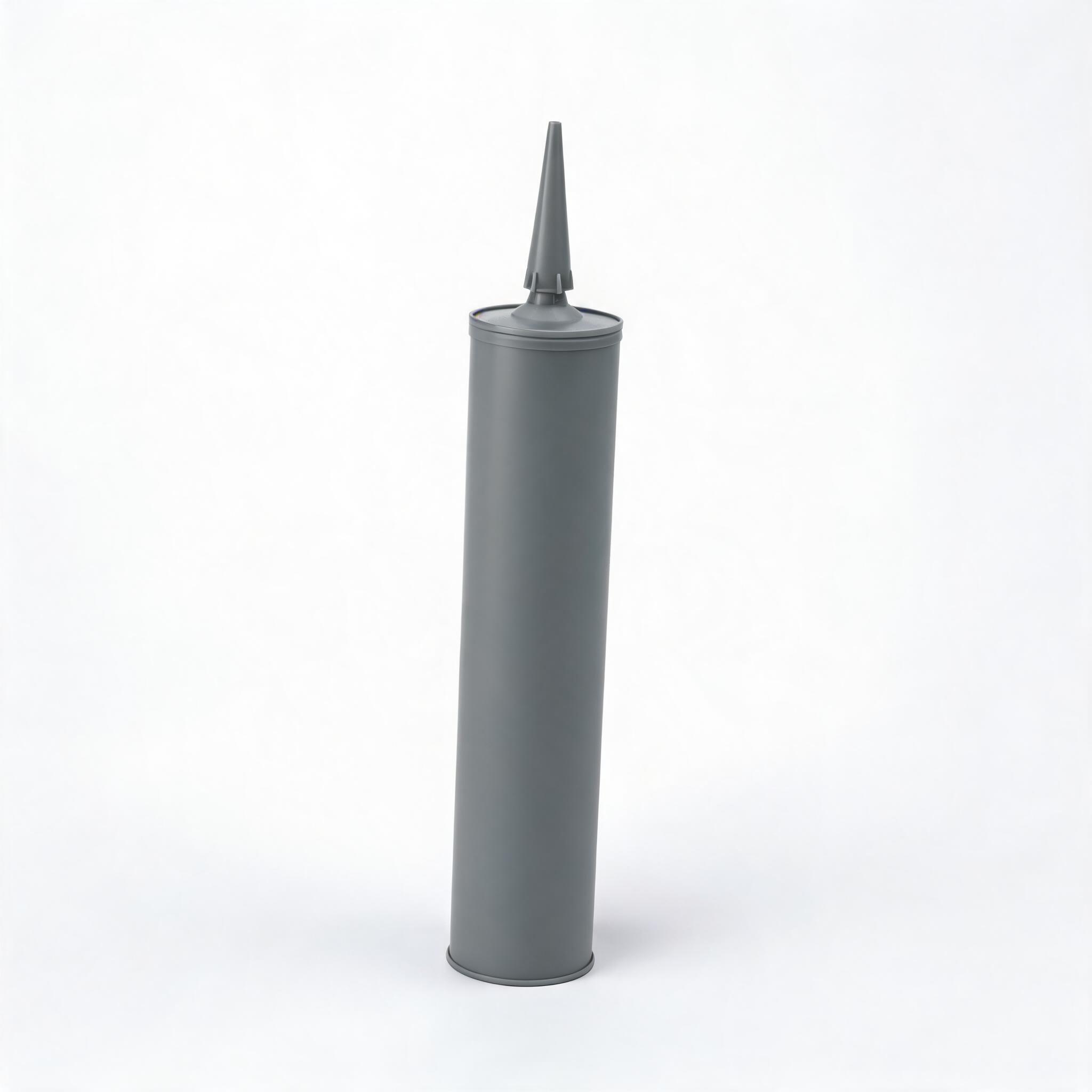
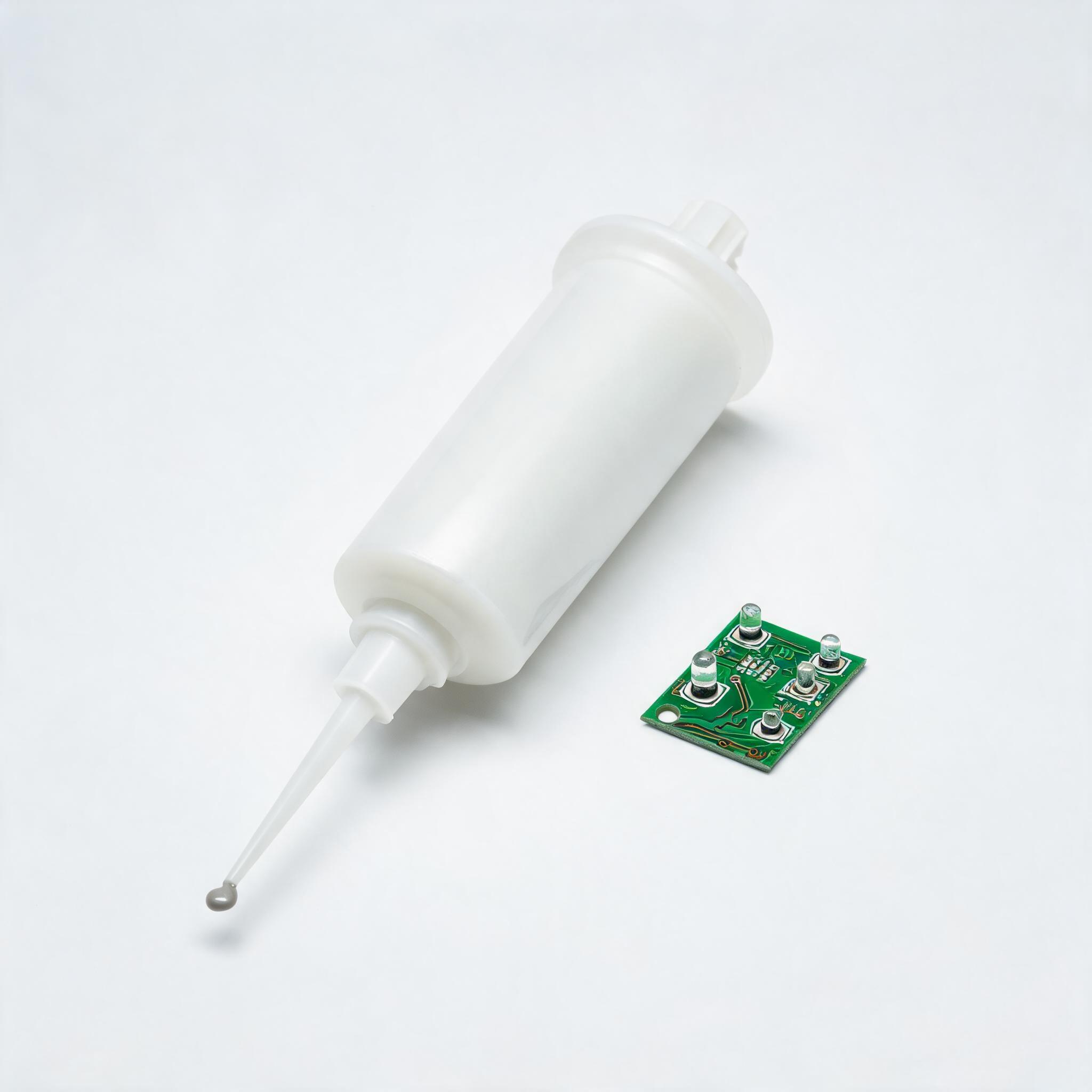
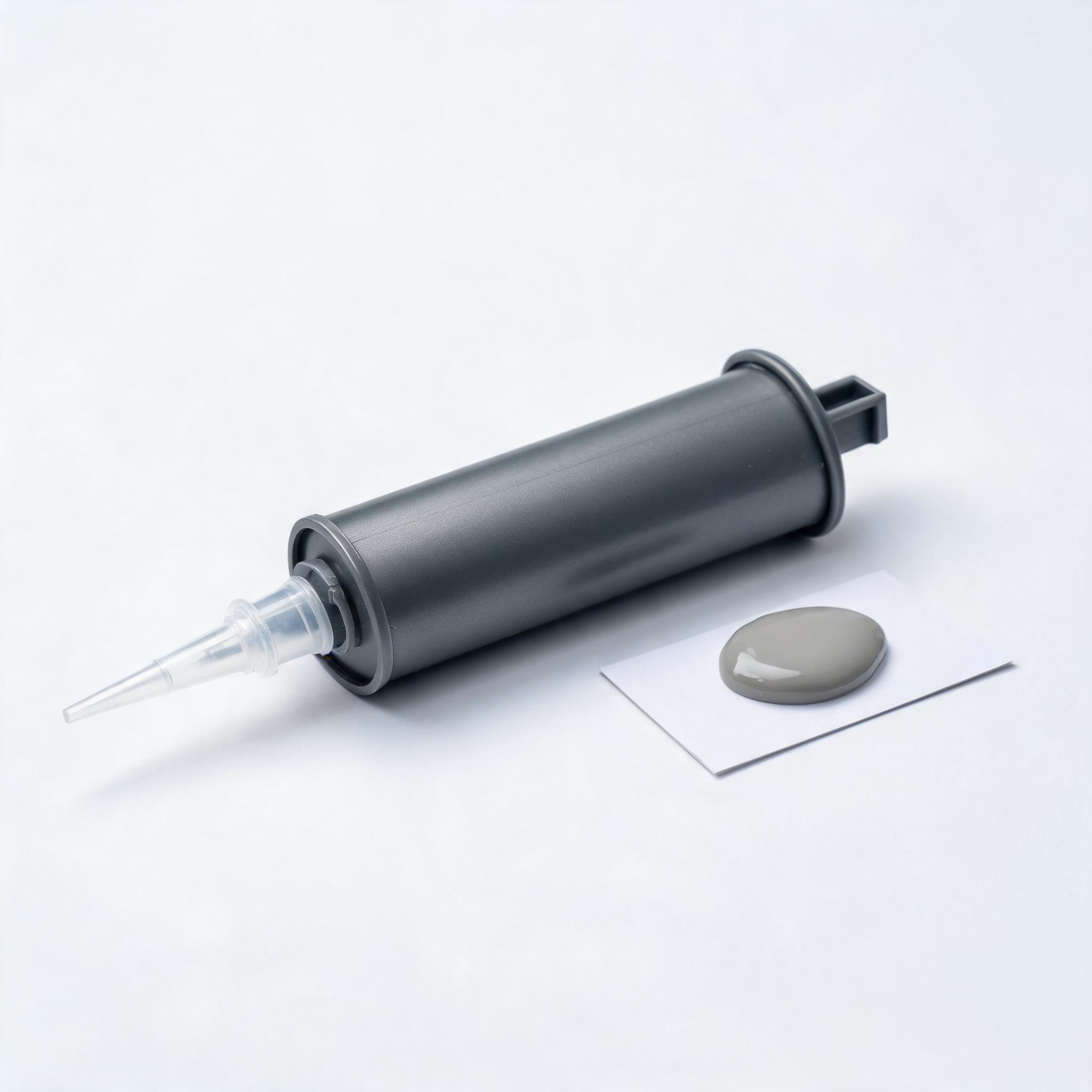
A one component polyurethane sealant is a ready-to-use elastomeric compound supplied in a single cartridge or bulk container. Unlike two-part polyurethane systems that require precise ratio metering and have a limited working time after mixing, this sealant crosslinks by reacting with ambient humidity in the air. As moisture diffuses into the applied bead, the polyurethane prepolymer forms urea linkages that build a high-molecular-weight elastomer - combining tensile strength with elongation capability in a single material.
This cure mechanism eliminates mixing equipment, reduces material waste from off-ratio or expired pot life, and makes the product practical for field repairs, remote installations, and production lines without meter-mix infrastructure. The trade-off is that cure progresses from the surface inward at a moisture-diffusion-limited rate: the surface skins over within hours, while full-depth cure depends on humidity, temperature, and bead geometry.
Key Specifications
How These Specifications Translate to Procurement Decisions
One-Component vs. Two-Part: When Does Simplicity Win?
For buyers evaluating one-component versus two-part polyurethane sealants, the decision hinges on application conditions and cure-depth requirements. One-component systems excel in field applications, low-volume dispensing, and environments without power or mixing equipment. Two-part systems cure faster through full cross-section depth because crosslinking is not limited by moisture diffusion - advantageous for deep-section joints or high-throughput automated lines. If your project involves standard joint depths (typically 6–12 mm) applied with caulking guns or bulk dispensers, the one-component system eliminates mixing complexity without sacrificing long-term performance.
Movement Capability: ±20% of Joint Width
The ±20% movement rating means the cured sealant can stretch and compress to 120% and 80% of the original joint width without losing adhesion or cohesive failure. This accommodates thermal cycling in concrete expansion joints, structural settlement in building envelopes, and vibration-induced movement in industrial equipment bases. For joints expecting movement beyond ±20%, a higher-movement silicone sealant (typically ±50%) may be more appropriate - though with trade-offs in paintability and concrete adhesion.
Elongation at Break: 200%+
Elongation measures how far the sealant stretches before tearing. At 200%+, the cured elastomer can absorb significant differential movement between bonded substrates - critical when sealing joints between materials with different coefficients of thermal expansion, such as metal-to-concrete connections in industrial equipment mounting or aluminum-to-glass interfaces in curtain walls.
Primerless Adhesion to Concrete, Metal, and Glass
The sealant bonds to common industrial substrates without a separate primer - reducing labor steps, material inventory, and installation time. Primerless adhesion has been verified on concrete (poured and precast), mild steel, aluminum, and glass. For plastics, EPDM, coated metals, or painted surfaces, request substrate-specific adhesion test data before specifying to ensure long-term bond performance under your actual service conditions.
Low VOC Formulation
The low VOC classification supports indoor air quality requirements and compliance with emission-conscious manufacturing environments. This makes the sealant suitable for both exterior and interior sealing applications, including food-processing facilities, pharmaceutical cleanrooms, and electronics manufacturing areas where solvent emissions are regulated.
Application Areas and Suitability
Verified Application Areas
- Industrial equipment base sealing and vibration dampening
- Concrete expansion and construction joint sealing
- Metal panel and cladding joint sealing
- Container and trailer joint sealing
- HVAC ductwork connection sealing
- Bridge and infrastructure expansion joints
- Equipment room floor joint filling
Confirm Before Specifying
- Continuous immersion or ponding water conditions - long-term submersion performance should be verified
- Traffic-rated horizontal joints - confirm wear resistance requirements
- Adhesion to plastics, EPDM, or coated substrates - request adhesion testing data
- Paintability with specific topcoat systems - compatibility testing recommended
- UV exposure color stability for aesthetic-critical applications
- Potable water contact certification - confirm if required
Cure Schedule and Installation Guidance
Cure speed depends on three factors: ambient humidity, temperature, and sealant depth. Higher humidity and warmer temperatures accelerate crosslinking; cold or dry conditions extend cure time. Deep sections cure more slowly because only the exposed surface has access to atmospheric moisture.
| Installation Factor | Guidance |
|---|---|
| Substrate preparation | Clean, dry, dust-free surface; no primer required for concrete, glass, or metal |
| Joint design | Design joint width within ±20% movement capability; use backer rod for depth control |
| Application temperature | Ambient; confirm acceptable range for your climate conditions |
| Tooling window | Tool before skin forms (within 2–4 hours of application at 23 °C) |
| Full cure estimate | ~5 weeks for 10 mm depth at 2 mm/week; verify for project-specific geometry |
| Humidity influence | Higher RH accelerates cure; dry conditions slow crosslinking rate |
How This Sealant Compares to Alternatives
| Property | One-Component PU Sealant | Two-Part PU Sealant | Silicone Sealant |
|---|---|---|---|
| Mixing required | No | Yes - metered ratio | No |
| Cure mechanism | Humidity-driven | Chemical crosslink | Humidity-driven |
| Movement capability | ±20% | ±25% (typical) | ±50% (typical) |
| Paintability | Yes - most coatings | Yes | No - most paints peel |
| UV resistance | Moderate | Moderate | Excellent |
| Adhesion to concrete | Excellent - primerless | Good | Fair - primer often needed |
| Equipment needs | Minimal - caulking gun | Meter-mix dispenser | Minimal |
Buyer FAQ
A one component sealant crosslinks by reacting with ambient humidity - no mixing required. Two-part systems require a separate curing agent mixed at a specific ratio, which demands meter-mix dispensing equipment and has a limited pot life. The trade-off: two-part systems can achieve deeper-section cure faster because crosslinking is not limited by moisture diffusion rate. For standard joint depths and field applications, one-component is simpler and equally durable.
Skin formation takes 2–4 hours at 23 °C with 50% relative humidity. Full cure proceeds at approximately 2 mm depth per week. A standard 10 mm-deep joint will need roughly 5 weeks to reach full mechanical performance. Actual cure time depends on ambient humidity, temperature, and joint geometry.
No primer is required for adhesion to concrete, glass, and metal substrates per the product specification. For plastics, EPDM, coated surfaces, or other specialty substrates, request adhesion test data before specifying to ensure long-term bond performance.
Polyurethane sealants are generally paintable with most water-based and solvent-based coatings once fully cured, unlike silicone sealants where paint adhesion is typically poor. Confirm compatibility with your specific topcoat system through testing, as some flexible paints may require a primer coat.
The sealant forms a water-resistant barrier suitable for intermittent moisture exposure and weatherproofing. For continuous immersion or ponding water conditions, please confirm specific performance requirements in your inquiry - long-term submersion data can be provided upon request.
The product is specified as compliant with EN 14189 (European sealant standard for facade elements) and ASTM C920 (Standard Specification for Elastomeric Joint Sealants). The manufacturer holds ISO 9001:2015 certification for quality management. Specific compliance documentation and test reports are available upon request.
Packaging options and minimum order quantities are available upon request. Standard formats include 300 ml cartridges, 600 ml sausages, and bulk containers. Please share your project volume and preferred packaging format for a tailored quotation.
The standard product color is neutral gray. Custom color requests can be discussed - please share your color reference or Pantone code in your inquiry for volume orders.
Manufacturer Profile
Manufactured by TIANJIN SHENGWANG ELECTRONIC CHEMICAL PLANT (SW ADHESIVE), an industrial adhesives and electronic chemical products manufacturer based in Tianjin, China, operating since 1993. The company holds ISO 9001:2015 certification for quality management and maintains in-house testing capabilities including viscosity meters, tensile strength testers, and environmental chambers for performance validation. Production supports export packaging in IBC containers, drums, and custom formats for global B2B orders under FOB, EXW, and CIF terms.
Request a Technical Data Sheet & Quotation
Tell us your joint dimensions, substrate types, estimated project volume, delivery destination, and any specific standards you need to meet - we'll respond with product documentation, a tailored quotation, and lead time.
Request Product Details & Pricing